
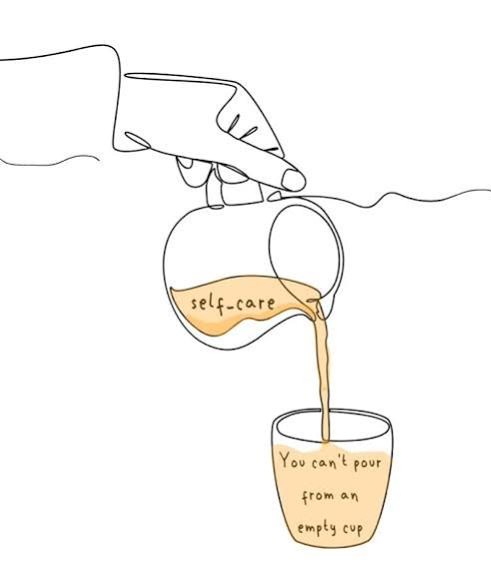
Most people don't wake up one morning and decide they're going to neglect themselves. It happens gradually, almost without noticing.
You stay late to finish one more task. You tell yourself you'll rest next week. You cancel something you were looking forward to because everyone else's needs feel more important. Before long, you're surviving on coffee, running on empty, and wondering why you feel permanently exhausted.
The strange part is that we often congratulate ourselves for it. We call it being dedicated, reliable, hard-working, selfless. But there's a difference between caring about other people and constantly abandoning yourself. As a therapist, one of the most common things I hear is, "I know I should look after myself more, but I just don't have time". The reality is usually more complicated than that. Most people don't struggle with self-care because they don't know what to do. They struggle because, deep down, they don't believe their own needs deserve the same attention they give everyone else's.
The Standards We Hold Ourselves To
Think about the last time someone you cared about made a mistake. Perhaps they forgot something important at work. Maybe they snapped after a stressful day. Maybe they admitted they were overwhelmed. How did you respond?
Most people instinctively offer understanding. They remind the other person they're only human. They encourage them to take a break or give themselves some grace. Now think about how you responded the last time you made a mistake. Were you equally compassionate? Or did your inner voice sound more like this? "You should have known better." "Why can't you get yourself together?", "Everyone else manages."
It's remarkable how often we expect perfection from ourselves while accepting humanity in everyone else. Over time, that constant self-criticism becomes background noise. We stop noticing it because it's been there for so long.
When Achievement Becomes Your Measure of Worth
Many of us grow up believing our value comes from what we achieve: good grades, working hard, being dependable, keeping everyone happy. Success itself isn't the problem. The problem starts when your sense of worth depends entirely on continuing to perform. If you're productive, you feel acceptable. If you're struggling, you feel like you've somehow failed. That creates an exhausting cycle where rest feels undeserved and slowing down feels uncomfortable. Even when life becomes overwhelming, you keep pushing because stopping feels more frightening than carrying on.
Why Your Inner Critic Exists
Most people don't develop a harsh inner voice by accident. For many, it started as protection. Perhaps being self-critical helped you avoid making mistakes. Maybe it pushed you to work harder. Maybe it helped you gain approval in an environment where mistakes weren't tolerated. At one point, it probably served a purpose.
The difficulty is that protective strategies don't always know when their job is over. What once motivated you can eventually become the thing that drains you. Your inner critic often believes it's helping. It thinks if it keeps demanding more, you'll stay safe.
Self-Care Isn't About Bubble Baths
Self-care has developed a bit of an image problem. People imagine expensive spa days, scented candles and motivational quotes. Those things can be enjoyable, but they aren't what really changes mental wellbeing. Real self-care is often much less glamorous. It's booking the appointment you've been avoiding. Going to bed instead of answering one more email. Saying, "I can't commit to that this week." Taking a proper lunch break. Turning your phone off for an hour. Having a difficult conversation instead of pretending everything is fine. Sometimes the kindest thing you can do for yourself isn't the easiest. Sometimes it's the thing you've been putting off because you've convinced yourself everyone else's needs come first.
Listening Before You Reach Breaking Point
Many people only respond to their needs once they're in crisis and they ignore stress until anxiety becomes overwhelming. They dismiss tiredness until burnout forces them to stop. They overlook loneliness until they feel completely disconnected. Imagine driving a car while ignoring every warning light on the dashboard. Eventually, something breaks. Our minds and bodies work in much the same way. Stress rarely arrives without warning. Your body notices before your mind catches up: poor sleep, constant tension, feeling irritable over small things, difficulty concentrating, a shorter fuse than usual. These aren't weaknesses, they're information, and the earlier you listen, the less drastic the intervention usually needs to be.
Boundaries Aren't Selfish
Many people confuse being kind with saying yes. They worry that setting boundaries will disappoint people or make them appear selfish. But constantly saying yes when you really mean no doesn't strengthen relationships. It often creates resentment. Healthy boundaries aren't about shutting people out. They're about allowing relationships to exist without sacrificing yourself in the process. Sometimes the healthiest sentence you can say is simply: "I'm not able to do that." No lengthy explanation, no guilt, no apology for having limits. You are allowed to have boundaries without needing permission from everyone around you.
Treat Yourself Like Someone You Care About
One question can change the way you approach almost any situation. If someone I loved was experiencing this, how would I respond? Would you tell them to keep working despite being exhausted? Would you call them lazy because they needed a day off? Would you expect them never to make mistakes? Probably not. Yet many people expect exactly that from themselves. Compassion isn't about lowering standards, it's about recognising that being human comes with limitations. You can hold yourself accountable without being relentlessly critical. In fact, people often make healthier changes once they stop attacking themselves.
Five Small Changes That Make a Big Difference
1. Notice how you speak to yourself.
Pay attention to your thoughts when something goes wrong. Would you speak to someone else that way? If not, consider replacing criticism with curiosity. Instead of asking, "What's wrong with me?" try asking, "What do I need right now?"
2. Stop waiting until you're overwhelmed.
Don't wait until you're completely exhausted before resting. Don't wait until you're burnt out before taking time off. Looking after yourself works best when it's regular, not when it's an emergency.
3. Let discomfort guide you.
If you're constantly irritated, ask why. If you're feeling resentful, consider whether you've been saying yes too often. Your emotions often point towards needs you've been ignoring.
4. Practise saying no.
You don't need to justify every decision. A simple, respectful no is often enough. People who care about you may be disappointed occasionally, but healthy relationships can tolerate disappointment.
5. Remember that your worth isn't earned.
You don't become valuable because you've worked harder, achieved more or pleased everyone around you. You already have value. Your achievements may change throughout life. Your worth doesn't.
Looking for Online CBT Therapy in Ireland or the UK?
If you've recognised yourself in this article, you're not alone. Many people spend years putting everyone else's needs first, living with constant self-criticism, anxiety, stress, or burnout without realising how much it's affecting their wellbeing.
At Therapy & Co., we provide evidence-based Cognitive Behavioural Therapy (CBT) and for adults across Northern Ireland, the Republic of Ireland, England, Scotland and Wales through secure online sessions. Working online means you can access specialist therapy from the comfort of your own home, without the stress of travelling or fitting appointments around a busy schedule.
As a female-led therapy practice, we understand the unique pressures many women face, from balancing careers and family life to managing perfectionism, people-pleasing, anxiety and the emotional load of caring for everyone else. We also work with men who want practical, compassionate support to improve their mental health.
Our therapists are BABCP-accredited CBT therapists, offering treatment for a wide range of difficulties, including:
Anxiety and excessive worry
Panic attacks
Low self-esteem and self-worth
Depression
Health anxiety
Obsessive Compulsive Disorder (OCD)
Social anxiety
Trauma and PTSD
Stress and burnout
Perfectionism and people-pleasing
If you're looking for online CBT in Ireland or the UK, we're here to help.
If you'd like to find out whether CBT is the right approach for you, you can book a free 15-minute consultation with one of our therapists. It's an opportunity to ask questions, discuss what you're struggling with, and explore the next steps, without any obligation.
Thanks for reading.
Katie and Fiona,
Therapy & Co.